
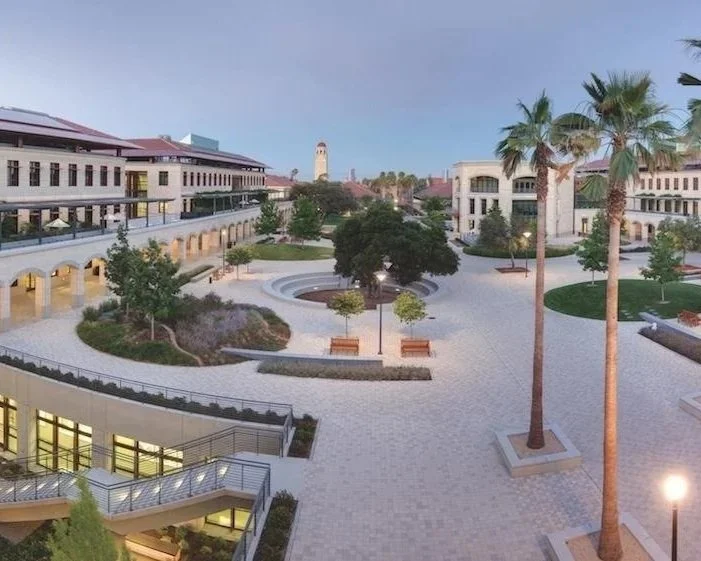
Frontier Technology (FTL)
Frontier Technology Lab (FTL) is a resource for collaborative exploration of the far-reaching impact of emerging technologies, as well as their compound effects. FTL brings together experts and stakeholders in the latest frontier technologies—microelectronics, AI, blockchain, advanced manufacturing, and quantum sciences—to understand the potential of these technologies for a sustainable future. FTL is part of the School of Engineering and Doerr School of Sustainability.
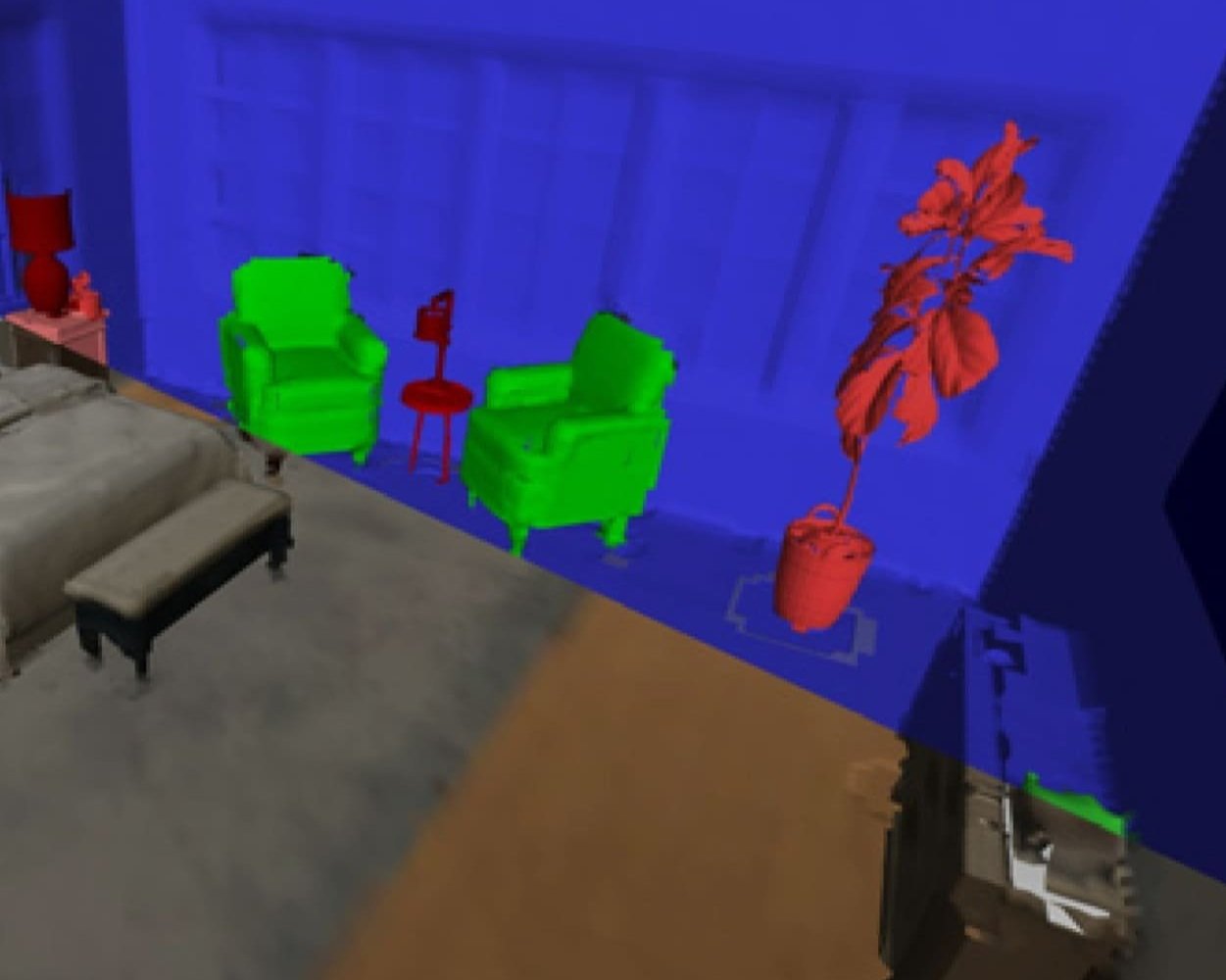
Gradient Spaces (GSL)
GSL focuses on developing quantitative and data-driven methods that learn from real-world visual data to generate, predict, and simulate new or renewed built environments that place the human in the center. Our mission is to create sustainable, inclusive, and adaptive built environments that can support our current and future physical and digital needs. We believe that by cross-pollinating the physical (reality) and digital (virtual) domains, we can achieve higher immersion and view these spaces as a step toward more equitable living conditions.

Neuromuscular Biomechanics (NMBL)
NMBL investigators use ourexpertise in biomechanics, computer science, imaging, robotics, and neuroscience to analyze muscle function, study human movement, design medical technologies, and optimize human performance.
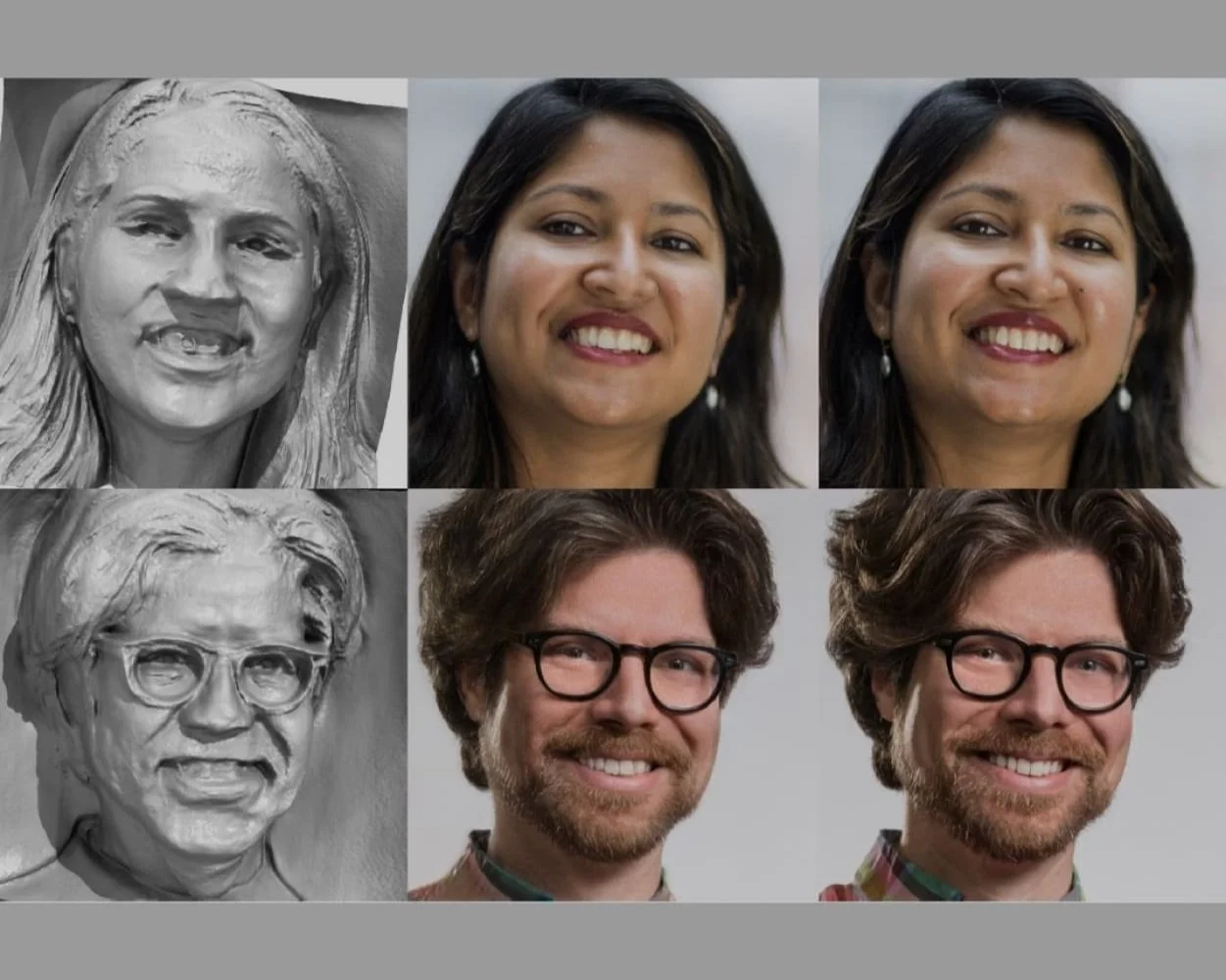
Geometric Computation Group (GCG)
GCG addresses algorithmic problems in modeling physical objects and phenomena, studying computation, communication, and sensing as applied to the physical world. Interests include the analysis of shape or image collections, geometric modeling with point cloud data, deep architectures for geometric data, 3D reconstruction, deformations and contacts, sensor networks for lightweight distributed estimation/reasoning, the analysis of mobility data, and modeling the shape and motion of biological macromolecules and other biological structures.